
configure-bs
A notebook-first research pipeline for privacy-preserving Beat Saber telemetry.
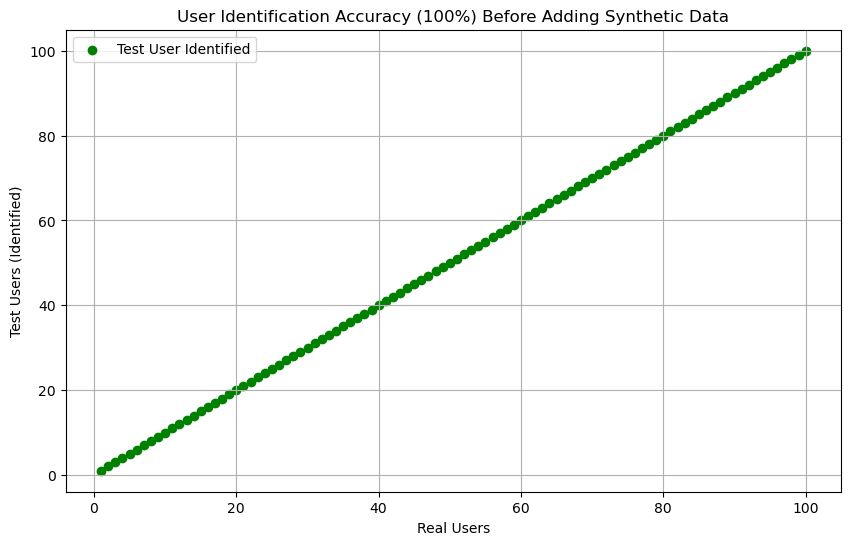
Even anonymized XR motion telemetry can retain enough behavioral signal to re-identify the person who generated it.
Inside the experience
What someone can actually do
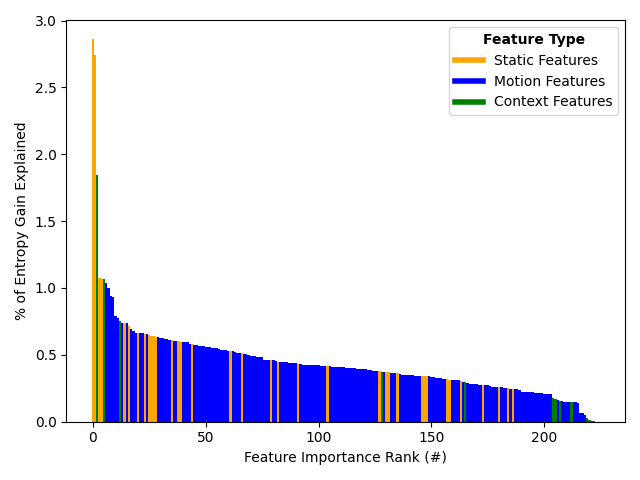
- Beat Saber / SteamVR telemetry preprocessing
- Raw-data identification baseline
- Synthetic-data privacy and utility evaluation
- Differential privacy experiments
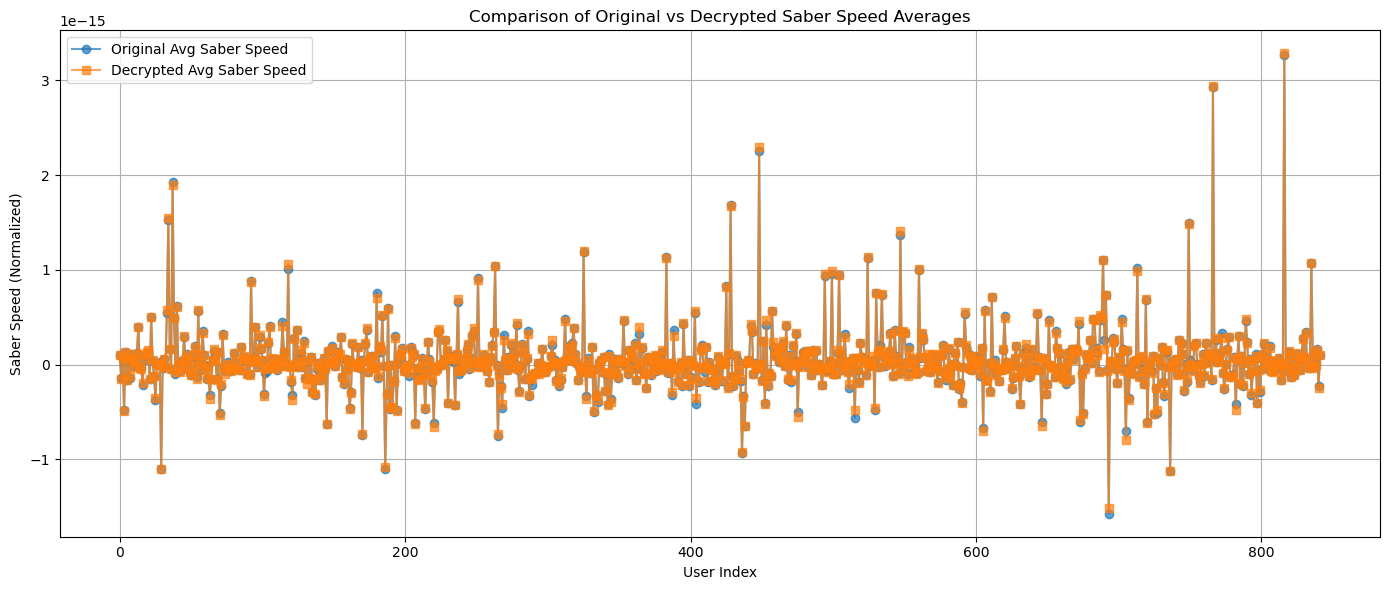
- Homomorphic-encryption notebook direction
How the idea took shape
A five-stage research pipeline: Unity and SteamVR telemetry capture, a raw-motion re-identification baseline, WGAN-GP synthetic generation, differential-privacy experiments, and CKKS homomorphic-encryption analytics evaluated as a separate track.
“Removing names is not enough: the way a person moves in VR can itself become an identifying signature.”

Explore how it was built +
I built the notebook pipeline, evaluated identification risk and analytical utility with the research team, and translated the findings into an IEEE VR paper and demonstrations.
- Python
- TensorFlow
- WGAN-GP
- Differential privacy
- CKKS
- Jupyter
Where it could go next